

Why choose composite windows?
The choice of window materials, configurations and styles on the market today can be overwhelming. In this article, we compare several popular window types and explore five key advantages of timber-aluminium composite windows.
Aluminium-clad timber composite windows – often referred to simply as composite windows – are timber frame windows clad in a protective powder-coated aluminium shell. They are designed to maximise the benefits of both materials.
Composite windows offer an excellent compromise between the performance, warmth and classic charm of timber, and the contemporary appeal of aluminium. But composite windows aren't the only choice on the market.
What are the alternatives?
uPVC windows
uPVC windows are usually cheaper than composite windows. They are also lightweight and easily customisable.
That said, timber composite windows easily outstrip their uPVC alternatives for thermal performance and have a much longer lifespan than uPVC windows. Energy savings over this period make timber composite windows the more cost-effective option long term. uPVC windows are also difficult to repair and usually need to be replaced if damaged.
Timber windows
Timber has been the material of choice for window manufacture for generations, and many timber windows are still in use that are more than a century old.
Like aluminium, wood is much stronger than uPVC (which requires a metal core to provide the necessary structural support). Wood also acts much better as an insulator than either aluminium or uPVC. However, poor quality products produced in the building booms of the 50s and 60s made the arrival of "maintenance free" aluminium, and later uPVC, seem very attractive.
Aluminium windows
Aluminium is a stronger material than uPVC. All-aluminium windows are often used for their thin sightlines.
Attractive, powder-coated aluminium also adds more kerb appeal than uPVC and is more likely to add value to the property. Most aluminium window suppliers offer finishes in any RAL colour, affording great versatility of design and real aesthetic appeal.
Advantages of aluminium windows over all-timber models include:
- A more contemporary look
- No priming, sanding or subsequent painting
- Low maintenance
- No warping, rotting or movement issues
However, whilst all-aluminium frames are strong and light, aluminium is a very poor insulating material. In fact, as a raw material, timber is around 800 times more effective as an insulator than aluminium.
Obviously, aluminium windows are not typically made of solid metal, but even with multi-chambered extrusions and thermal break layers, aluminium is still a poor relation where thermal performance is concerned.
Timber-aluminium composite windows
Timber-aluminium composite windows provide the best of both aluminium and timber.
The highest quality composite windows are made from laminated or "engineered" timber, a process that enhances frame durability and makes the windows much less prone to movement than pure timber frames.
The low thermal conductivity of wood makes it by far the highest-performing insulator of frame materials on the market.
Although aluminium cladding does not contribute directly to thermal performance, it can allow for the use of deeper glass units, which provide further performance benefits. And because the alu-cladding protects the external timber, the whole window is more durable than the all-timber option.
| Frame material | Thermal performance | Typical lifespan | Maintenance & repair |
|---|---|---|---|
| uPVC | Modest; requires a metal core for strength | ~20 – 25 years | Low maintenance, but difficult to repair; usually replaced if damaged |
| Timber | Excellent natural insulator | 50+ years | Regular priming, sanding and painting required |
| Aluminium | Poor insulator, even with thermal breaks | 30 – 40 years | Low maintenance; powder-coated finish |
| Timber-aluminium composite | Best on the market; U-values of 0.8 W/m²K or better | ~50 years | Low maintenance externally; simple to repair |
Lifespans are indicative and assume proper installation and routine care. Thermal performance figures refer to whole-window U-values for triple-glazed composite units.
Compare our composite window range and discover the perfect windows for your project.
Thermal performance
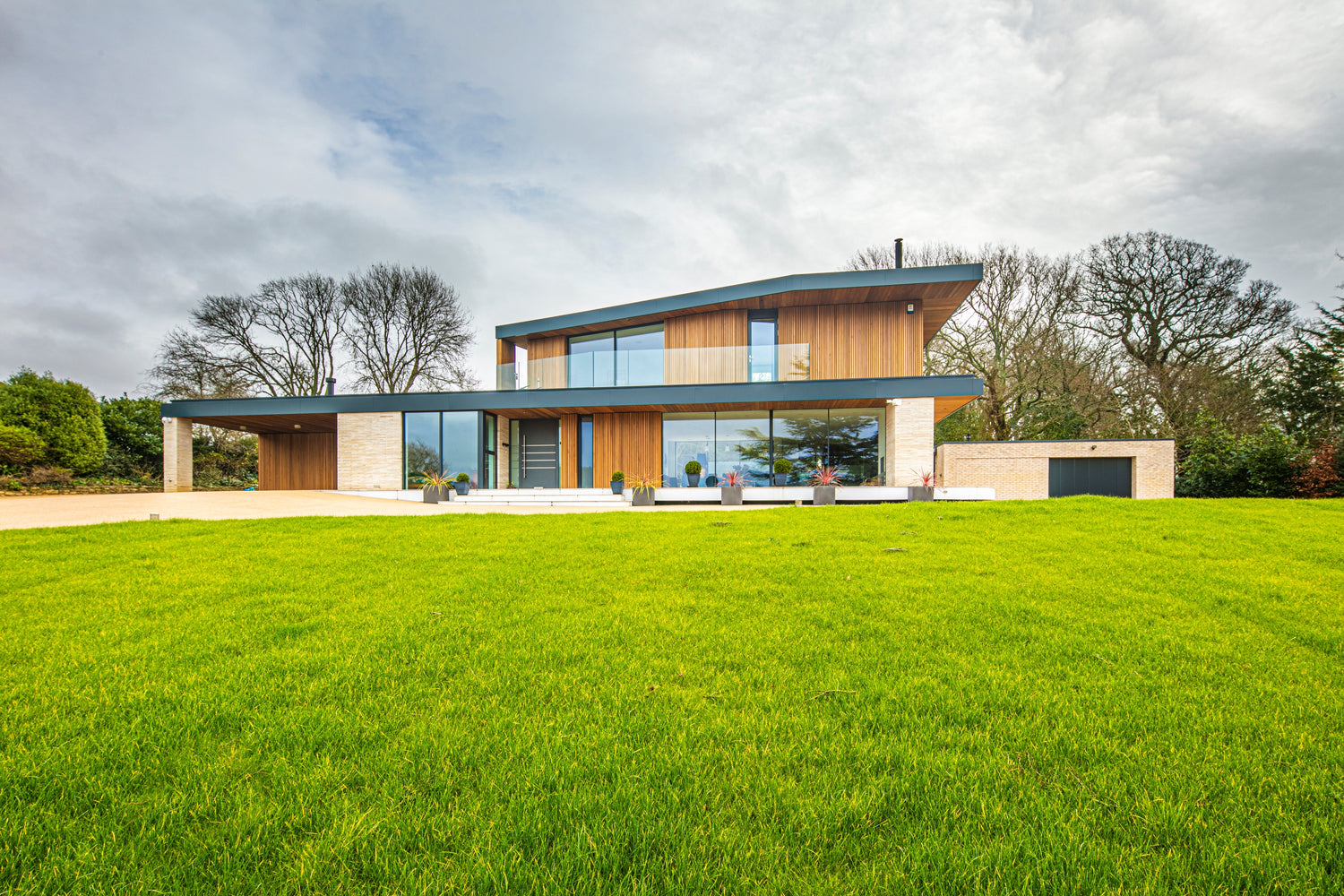
Outstanding performance is an obvious reason to choose composite windows.
With U-values in the region of 0.8 W/m²K or better (and some as low as 0.64 W/m²K), our triple-glazed composite windows and doors are significantly better performers than aluminium or uPVC models.
Several of our models are suitable for use in Passive House and EnerPHit projects, meeting stringent criteria for performance and comfort for use in truly energy-efficient homes.
Put simply, timber-aluminium composite windows are unbeatable for performance. You can read more about the unique elements that make a window truly thermally efficient here.
Why should thermal performance be central to your choice of windows?
- Firstly, for comfort. When you choose high performance alu-clad timber windows, you can expect fewer draughts, a warmer inside glass pane temperature, significantly less heat lost through windows and doors, and a generally more pleasant living experience.
- Secondly, to save energy, and money.
Our highest-performing triple-glazed composite windows achieve a whole-window U-value of 0.64 W/m²K, verified in our own PHPP modelling – comfortably inside the Passive House threshold of 0.80 W/m²K. Download our PHPP data →
Energy savings & sustainability
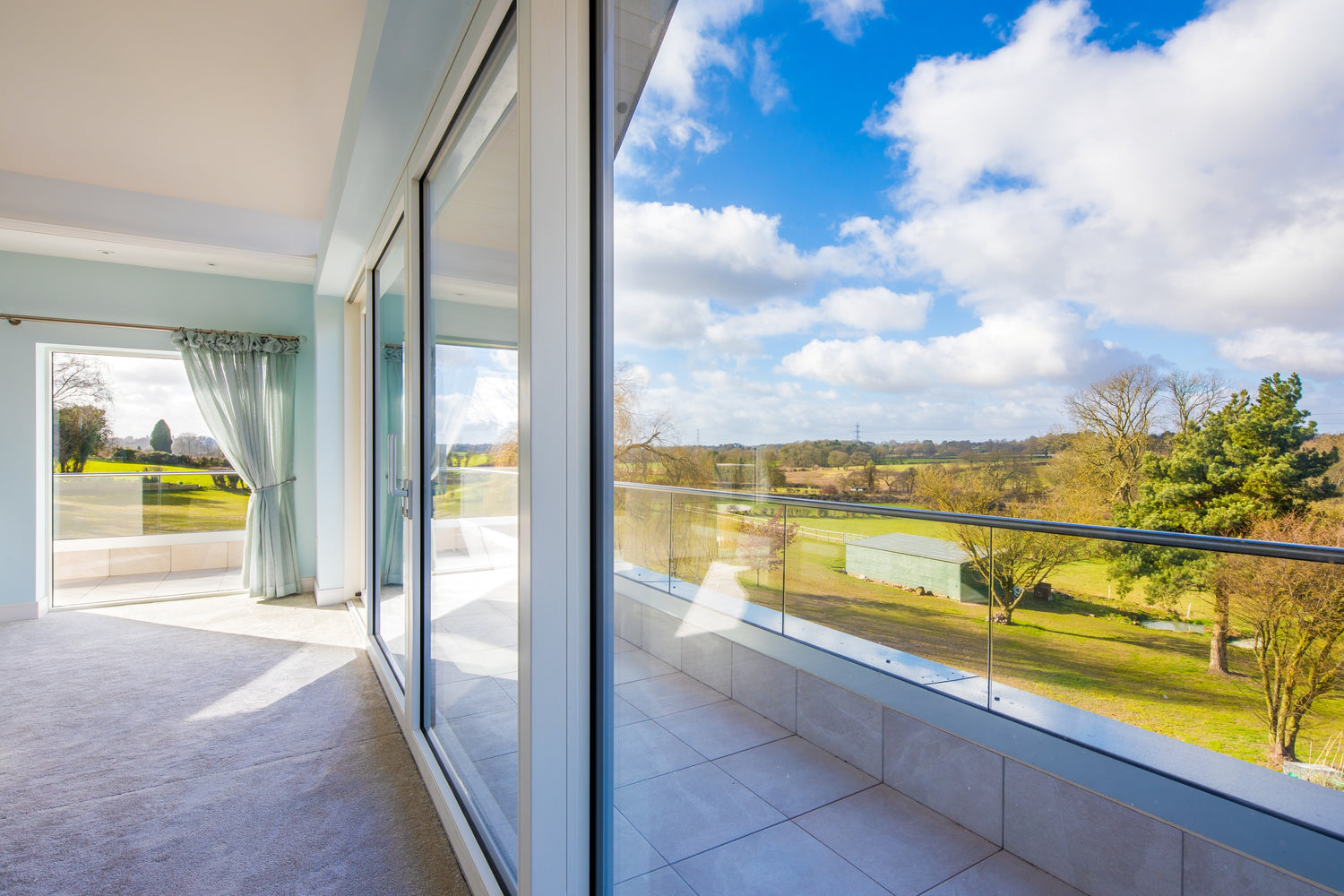
Over their lifespan, the superior thermal performance of high-performance composite windows will significantly lower your projected energy usage.
With alarming increases in energy prices and an ever-growing emphasis on low-carbon building, the energy efficiency of composite windows only continues to grow in importance as time goes on.
Installing high performance triple-glazed composite windows is a well-established criterion of Passive, EnerPHit and other low-energy building standards, and a key contributor to the overall thermal envelope of your home.
Sustainability is also a key factor to consider here. The components, construction processes and waste associated with composite vs. other windows are all worth considering.
uPVC windows are made from fossil-fuel-based plastics, implicate high emissions during manufacturing and are difficult to recycle. By contrast, our composite windows are made only from FSC and PEFC-certified timber, both renewable and biodegradable.
Aluminium can be completely recycled, and the production methods and waste materials from producing composite windows are much more environmentally friendly than windows and doors made from uPVC or aluminium. For example, sawdust produced from the manufacturing process is used for heating.
You can read more about the environmental impact of wood vs uPVC windows here.
Style & flexibility
 Double-glazed composite sliding doors complement this pool house's black cladding
Can you paint composite windows? Are they customisable? Yes. The best composite windows use high-grade powder-coated aluminium, typically considered to be the highest quality finish for an aluminium window.
As well as being low-maintenance and weather resistant, alu-cladding can be finished in any RAL colour. You can specify textured finishes, or marine grade powder-coating for properties in coastal or exposed locations.
Internally, the timber frame can again be finished in any RAL colour or in an attractive lacquer to highlight the beauty of natural wood. You can have distinct colours internally and externally, known as a dual colour finish.
Composite windows offer unrivalled stylistic options. Use them in projects from heritage revivals to contemporary new builds. Your order is completely bespoke, from the glass type and colours you choose down to the window mechanism. Hinge systems can be configured in several ways, and the frame dimensions, thickness, shape and opening system of your products are all bespoke to your order.
Composite windows are the perfect aesthetic compromise between sleek aluminium and warm, characterful wood.
Cost effectiveness
 A barn conversion and refurbishment with triple-glazed composite windows.
Are composite windows worth the cost? To be clear: alu-clad timber windows will set you back more than most other window types on the market.
That said, you can expect the initial investment in triple-glazed composite windows to be recouped in the long term, and more quickly than by any other inferior window type.
This occurs because, over the course of their lifespan, energy efficient windows will lower your overall energy usage significantly, and implicit in lower energy usage is lower cost.
Further: the value added to your home by composite windows easily outstrips any feasibly added by a cheap uPVC installation.
Lifespan, strength & security
 Triple-glazed composite windows and sliding doors frame the view in this contemporary countryside living room.
How long do composite windows last? There is no set lifespan, but you can expect your composite windows (if properly maintained) to have a lifecycle of up to double that of uPVC windows – around 50 years.
Composite windows are much easier to repair than uPVC models. A damaged uPVC window will usually need to be replaced, whereas undertaking minor repairs to either timber or aluminium is relatively simple and will prolong the anticipated lifespan of your windows.
Laminated timber is a much more robust material than uPVC or aluminium. Our products come with laminated glass as standard for glazed entry doors and multiple locking points to both windows and doors.
Forced ingress is extremely difficult due to the solid and unyielding nature of the timber. All our composite products conform to PAS 24:2016 enhanced security performance requirements for doors and windows in the UK.
Explore the Norrsken range
At Norrsken, we supply and install the UK's finest double and triple-glazed timber alu-clad windows and doors. Compare products, access technical information and find the right fit for your project.
Premium design, precision engineering. Compare our best-selling composite windows and access technical information.
High-performance insulated entryways. Find the right composite door for your project.
Your questions answered
Have a question? You're not alone. We've answered some of the most common queries about composite windows below.

What are composite windows?
Composite windows are manufactured by combining two different materials, which together provide hybrid properties. There are currently two main types on the market: aluminium-clad timber windows and aluminium-clad uPVC windows.
Aluminium-clad timber or aluminium-clad uPVC?
We recommend timber composite windows for their many advantages over uPVC, including the durability and strength of engineered timber, better insulation and U-values than uPVC windows, a longer lifespan and the potential value increase to a property.
Are composite windows better than uPVC?
Timber composite windows usually exceed uPVC alternatives in thermal performance, have a much longer lifespan than uPVC windows and have a lower carbon footprint. Energy savings over this period make timber composite windows the more cost-effective option long term, even though uPVC windows are cheaper to buy.
Are composite windows worth it?
Composite windows tend to be more expensive than uPVC models, but offer a wider range of benefits. These include better thermal performance, aesthetic appeal, a longer lifespan, use of more environmentally friendly materials and lower maintenance. They are certainly the smarter choice for a well-insulated home in the long run.
Can composite windows be painted?
Our aluminium-clad timber composite windows can be finished in any RAL colour with a powder-coated finish. Dual colour finish – different colours inside and out – is available as standard, so there is no shortage of options when choosing the colour of your windows! Internally the windows can be repainted later if desired.
How long do composite windows last?
With proper maintenance, composite windows can last upwards of 50 years. A considerable uplift from the 20-odd year lifespan of uPVC windows.
Are composite windows better than aluminium windows?
While all-aluminium frames are strong and light, aluminium is a very poor insulating material. Timber-aluminium composite windows provide the best of both aluminium and timber: aesthetic appeal, low maintenance, exceptional thermal performance and low U-values, which translates to lower heating bills. They also last longer and are more likely to add value to the property, although they tend to cost more.
What's the difference between timber and timber composite windows?
The insulation properties of wood make it the best choice for window frames. Timber composite windows have an additional layer of aluminium cladding over the timber window frame. This protects the window from the elements, extends its lifespan and requires almost no maintenance.
What are the benefits of composite windows?
Timber-aluminium composite windows are very energy efficient, with U-values lower than 0.8 W/m²K. This makes a home more comfortable and cheaper to heat in the long run. They are customisable, better for the environment than uPVC and all-aluminium windows and last significantly longer.
Are triple-glazed windows right for you?
Triple-glazed windows provide homeowners a marked increase – 40 to 45% – in thermal performance over double-glazed alternatives, meaning greater comfort, lower heating bills and an uplift in property value. These windows and doors are durable, secure and aesthetically pleasing, and they're not just for Passive Houses, either.
When choosing your windows and doors, though, you should take into account your whole-building thermal efficiency, budget and noise concerns to make an informed decision. High performance double glazing can provide a useful alternative for those considering triple glazing who feel it doesn't suit their project requirements.
When you choose alu-clad timber triple-glazed windows and doors, you benefit from the charm and warmth of wood and the sleek, low maintenance needs of aluminium. Norrsken double and triple-glazed windows are engineered for exceptional thermal performance, keeping your home comfortable and energy-efficient year round.
References & further reading
- ResearchGate – thermal performance and carbon footprint of aluminium, uPVC and wood window frames. View the comparison data.
- WWF – A clear choice: the environmental impact of wood vs uPVC windows. Read the report (PDF).
- Norrsken Company Ltd – PHPP 10 modelled U-value data for the Norrsken window range. Download PHPP data.
- Norrsken – The lowdown on U-values.


